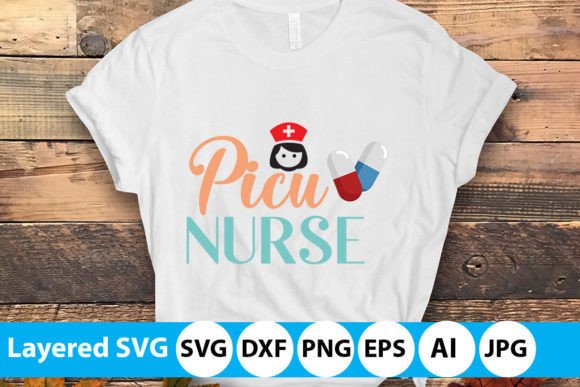
Reviewing Picu Nurse Cut Files for Embroidery
As a designer who spends half my life digitizing and the other half stitching, I have learned to look past the glossy preview images. What matters is how a design behaves under the needle. When I first opened the Picu Nurse Cut Files, my immediate reaction was one of cautious optimism. The theme is clear, targeting the healthcare and nursing community, which is a massive market for personalized gifts and custom apparel. But does it translate from a digital graphic to a tangible, stitched reality? Let’s break down how this asset performs in a real-world embroidery studio.
First Impressions and Visual Personality
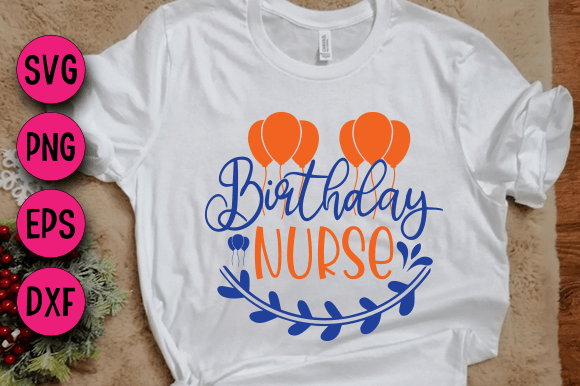
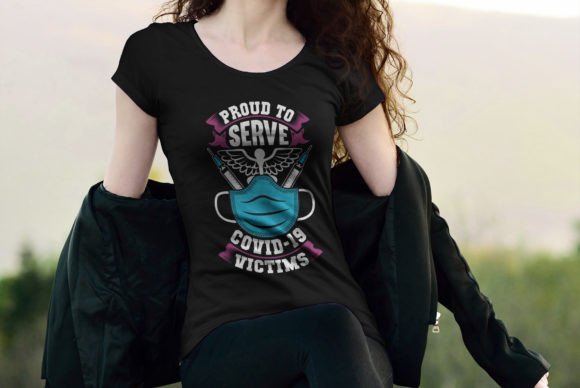
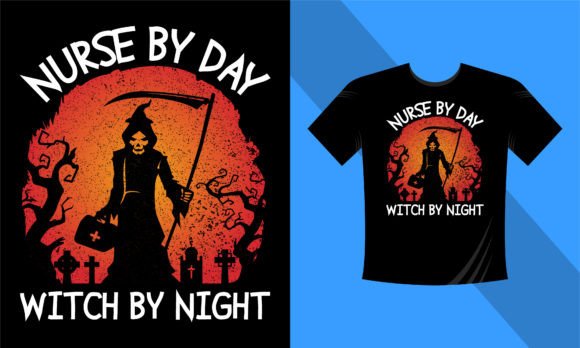
The design carries a professional yet warm mood, essential for anything related to nursing. It avoids the overly cartoonish traps that some medical-themed graphics fall into, opting instead for a cleaner, more respectful aesthetic. For an embroidery project, this is crucial. A design that looks cluttered on screen often becomes a mess of thread on fabric. The layout of the Picu Nurse Cut Files suggests a balanced composition, where the elements are spaced enough to allow for proper stitch placement without excessive jumping or trimming.
When evaluating graphics for T-Shirt Designs or heavier garments, I look for strong silhouettes. This design holds its shape well. Whether you are planning a subtle chest logo or a bold back print, the visual personality remains intact. It feels modern, which appeals to younger nurses and seasoned professionals alike, making it a versatile addition to your design assets library.
Real-World Application: The Custom Sweatshirt Test
To truly test the viability of any design, I imagine it on a specific product. Recently, I worked on a batch of custom sweatshirts for a local nursing graduation ceremony. This is the perfect scenario for the Picu Nurse Cut Files. Sweatshirts provide a stable, thick canvas that handles stitch density well, unlike thin t-shirts which can pucker if the design is too heavy.
In this context, the design would likely serve as a centerpiece. I envisioned using a satin stitch for the finer details to create a smooth, shiny finish that contrasts nicely with the matte texture of the cotton blend fabric. The fill stitch areas would need careful attention to ensure they don’t become too dense, which could make the garment stiff. If you are an Etsy seller or run a small shop product line, this type of application drives high perceived value. Customers aren’t just buying a shirt; they are buying a commemorative piece of their career journey.
Versatility Across Product Lines
Beyond sweatshirts, this design has legs. Consider a tote bag design for nurse appreciation week. The sturdy canvas of a tote can handle a larger scale version of the graphic. Here, you might opt for an applique design approach if the original files support layering, reducing stitch count and adding texture with fabric patches. Alternatively, for baby embroidery items like onesies for "future nurses," you would need to scale the design down significantly. This is where checking the detail level is vital. Tiny lettering or intricate corners can get lost or cause thread breaks on small hoops.
For those creating embroidered patches, the Picu Nurse Cut Files could be digitized into a merrowed edge patch. Patches are durable and can be ironed onto scrubs or jackets, offering a flexible solution for uniforms that require frequent washing. The durability of the stitch-out becomes a selling point for commercial embroidery projects where longevity is key.
Technical Considerations for Stitching
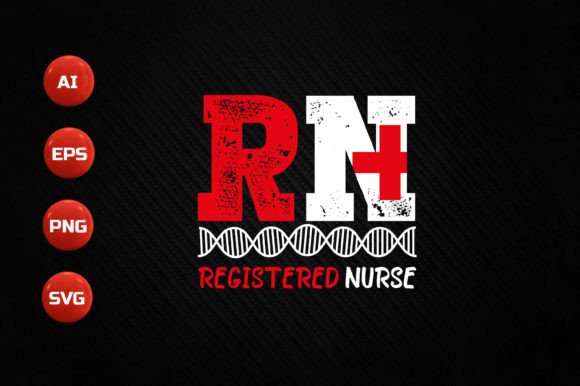
While the visual appeal is strong, we must discuss the technical execution. The product description mentions word by layer svg cut file 100 unique and includes various formats like SVG, EPS, PNG, DXF, Ai, and Jpeg. It is important to note that these are primarily vector and raster graphic formats, not native machine embroidery files like PES or DST. As an experienced reviewer, I must advise that you will need to digitize these graphics or use auto-digitizing software with caution.
If you are converting these graphics yourself, pay close attention to stitch density. Auto-digitizing often creates too many stitches in small areas, leading to thread bunching. You should manually adjust the running stitch paths to ensure smooth transitions. Check thread color contrast carefully. A white thread on a light blue scrub top might vanish, so consider using a slightly darker shade or adding a backing stabilizer that contrasts with the fabric to help visibility during hooping.
Fabric and Hoop Challenges
Not all fabrics behave the same. If you are stitching on textured fabrics like terry cloth towels or waffle-weave blankets, the fine details of the design might get swallowed by the pile. In such cases, increasing the stitch length slightly can help the design sit on top of the texture rather than sinking in. For stretchy fabric, a cut-away stabilizer is non-negotiable to prevent distortion after washing.
Curved surfaces like caps present another challenge. The center of a cap is small, and the curvature can distort wide designs. If you plan to use the Picu Nurse Cut Files on hats, ensure you resize it to fit within a 4x4 or smaller hoop area, and avoid placing critical text elements near the edges where the fabric curves away from the viewer.
Business Value and Brand Consistency
For craft business owners and digital product sellers, consistency is brand currency. Using high-quality graphics like these helps maintain a professional look across your Etsy listings and social media previews. A clean, well-executed embroidery project builds customer trust. When buyers see crisp stitching and thoughtful design placement, they perceive higher value, which allows for better pricing strategies.
Moreover, the versatility of the design allows for seasonal adaptations. You can tweak thread colors for holiday embroidery, using red and green for Christmas gifts or pastels for spring-themed personalized gifts. This flexibility extends the lifecycle of the design asset, giving you more bang for your buck.
Final Designer Notes
Before committing to a full production run, always test the design on scrap fabric. This simple step saves hours of frustration. Check how the design looks in black and white mockups to ensure the contrast holds up even without color. Verify the license terms provided with the download. While the package includes high-quality 300 DPI files, confirm whether the license permits commercial use for finished physical goods or if it is restricted to personal projects.
In summary, the Picu Nurse Cut Files offer a solid foundation for creative entrepreneurs. With proper digitization and attention to fabric choice, it can elevate your handmade product lineup. It is not just a graphic; it is a tool for storytelling through thread. Use it wisely, stitch it carefully, and watch your finished product become a cherished item for your customers.